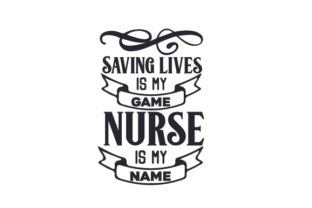
Saving Lives Is My Game, Nurse Is My Name: Understanding the Heart of Nursing
When someone says, "Saving lives is my game, nurse is my name," it's more than just a catchy phrase—it's a powerful declaration of purpose. Nurses are at the frontlines of healthcare, providing essential care, comfort, and critical support to patients every single day. This article explores what it truly means to be a nurse in today’s world, the immense responsibility they carry, and how their work impacts lives far beyond hospital walls.
The Meaning Behind “Saving Lives Is My Game, Nurse Is My Name”
This bold statement reflects the core identity of a nurse. It emphasizes two key ideas: dedication to life-saving and a deep personal connection to the profession. Nurses don’t just perform tasks—they make life-or-death decisions, provide emotional support, and advocate for patients constantly.
- Life-saving: Nurses often respond to emergencies before doctors arrive, perform CPR, monitor vital signs, and alert medical teams to changes in patient conditions.
- Professional pride: The phrase also shows the pride nurses take in their identity. Being a nurse isn't just a job—it's a calling.
Why Nursing Matters in Today’s World
In modern healthcare systems, nurses are the backbone of patient care. They spend more time with patients than any other medical professional, which allows them to detect early signs of deterioration, offer comfort, and coordinate treatment plans.
- Direct patient care: Nurses handle everything from administering medication to wound care and emotional support.
- Health education: They teach patients about managing chronic diseases, post-operative care, and preventive health strategies.
- Advocacy: Nurses often act as the voice for patients, ensuring their needs are met and their concerns are heard.
The Different Roles Nurses Play
Nursing is not a one-size-fits-all profession. There are many different roles and specialties, each contributing uniquely to the mission of saving lives:
- Emergency nurses: Work in ERs and trauma centers, responding to life-threatening situations.
- ICU nurses: Provide critical care to patients in intensive care units, often managing ventilators and other life-support systems.
- Public health nurses: Focus on community wellness, disease prevention, and health education.
- Pediatric nurses: Specialize in caring for children, from newborns to teenagers.
- Psychiatric nurses: Support patients with mental health conditions, offering both medical and emotional care.
Each of these roles requires unique skills and knowledge, but all share the same goal: to protect, heal, and serve.
How Nurses Save Lives Every Day
While dramatic life-saving moments like CPR or trauma response often come to mind, nurses save lives in many less obvious ways too:
- Early detection: A nurse noticing a subtle change in a patient’s breathing or skin color can lead to early intervention that prevents cardiac arrest.
- Medication management: Nurses ensure patients receive the right medication at the right time, preventing harmful drug interactions.
- Post-op monitoring: After surgery, nurses monitor recovery and alert doctors to complications before they become critical.
- End-of-life care: Even when saving a life isn’t possible, nurses provide comfort and dignity during the final stages of life.
These daily acts of care, attention, and expertise make nurses some of the most vital healthcare professionals in any setting.
Common Misconceptions About Nursing
Despite their critical role, nursing is often misunderstood. Here are some common myths and the truths behind them:
- Myth: Nurses just follow doctors’ orders.
Truth: Nurses make independent clinical decisions, assess patient conditions, and collaborate with doctors as equal partners in care. - Myth: Nursing is easy compared to being a doctor.
Truth: Nursing requires rigorous education, emotional resilience, and physical stamina. Many nurses work long shifts under high-pressure conditions. - Myth: All nurses work in hospitals.
Truth: Nurses work in schools, homes, research labs, corporations, and even in digital health startups.
The Emotional and Mental Demands of Nursing
Being a nurse is not just physically demanding—it's emotionally intense. Nurses regularly witness suffering, loss, and difficult decisions. They must balance empathy with professionalism while managing their own mental health.
Some of the emotional challenges include:
- Witnessing patient deaths, especially unexpected ones
- Dealing with aggressive or uncooperative patients
- Working long hours with minimal breaks
- Feeling underappreciated despite high-stress workloads
Because of this, emotional resilience, support systems, and mental health resources are essential for long-term success in the profession.
How Technology is Changing Nursing
Modern technology is transforming how nurses work. From electronic health records (EHRs) to wearable patient monitors and AI-assisted diagnostics, nurses are increasingly using digital tools to improve patient outcomes.
Examples include:
- Telehealth nursing: Providing care remotely through video consultations and mobile apps.
- Smart hospital systems: Automated medication dispensers and real-time patient monitoring reduce errors and improve efficiency.
- Mobile apps for patient education: Nurses now use apps to teach patients about their conditions and treatment plans.
As technology continues to evolve, nurses will play a key role in integrating these tools into everyday patient care.
Preparing for a Career in Nursing
If you're inspired by the idea that “saving lives is my game, nurse is my name,” you may be considering a nursing career. Here’s what you need to know:
- Education: Most entry-level nursing roles require at least an associate or bachelor’s degree in nursing.
- Licensure: All nurses must pass the NCLEX-RN exam to become licensed.
- Skills: Strong communication, critical thinking, compassion, and physical stamina are essential.
- Specialization: Many nurses choose to specialize after gaining experience, such as in pediatrics, geriatrics, or anesthesia.
There are also many pathways into nursing, including accelerated programs for those with prior degrees and online courses for working professionals.
Conclusion: A Nurse’s Impact Goes Beyond the Bedside
“Saving lives is my game, nurse is my name” is more than a slogan—it's a reflection of the deep commitment nurses have to their patients and society. Whether they're stabilizing a trauma victim, educating a new mother, or supporting a family through loss, nurses are present in some of the most important moments of our lives.
Their work extends beyond hospitals into schools, communities, and even global health initiatives. As healthcare continues to evolve, nurses will remain at the heart of progress, innovation, and compassionate care.
If you’ve ever wondered what it takes to make a real difference in the world, look no further than the nurses around you—they’re already doing it, one life at a time.