Console Joystick Icon: Understanding the Video Game Controller Symbol
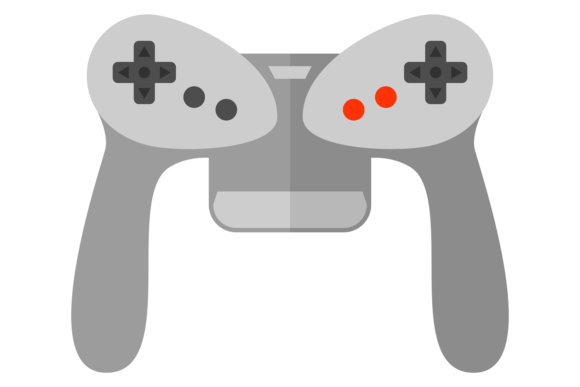
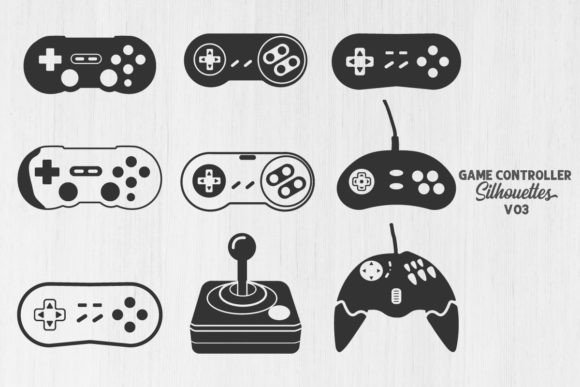
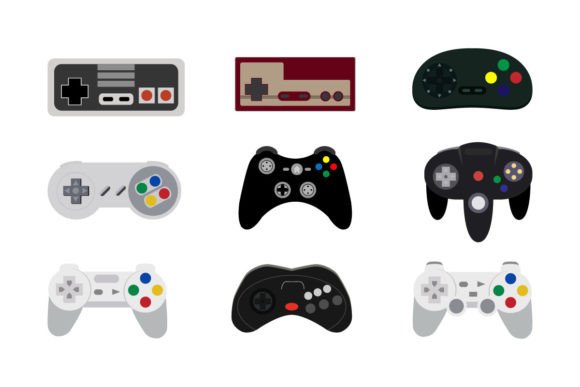
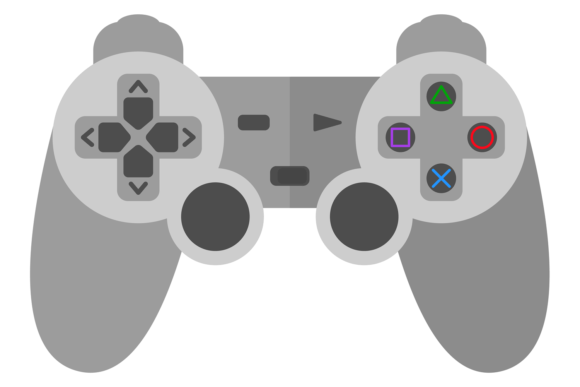
The Console Joystick Icon, often referred to as the Video Game Contro symbol, is a widely recognized visual representation of gaming controls. This icon typically depicts the shape and key features of a modern video game controller, such as analog sticks, directional pads, and face buttons. It is commonly used across digital platforms, marketing materials, and software interfaces to represent gaming-related functions, settings, or actions.
As gaming becomes more integrated into mainstream culture and digital design, the need for clear, recognizable symbols increases. The Console Joystick Icon serves this purpose by offering a universally understood visual cue. Whether used in app interfaces, website navigation, or promotional graphics, this icon plays a crucial role in enhancing user experience and accessibility.
Why People Are Interested in the Console Joystick Icon
Designers, developers, and marketers often seek out the Console Joystick Icon for a variety of applications. Its strong association with gaming makes it ideal for representing game-related content, settings, or actions within apps and websites. Additionally, the icon's versatility allows it to be used in educational materials, infographics, and UI/UX design where a clear visual indicator of control or interaction is needed.
Many users are also looking for downloadable versions of the icon in various formats—such as EPS, JPG, SVG, and transparent PNG—to ensure compatibility with different design tools and platforms. The ability to scale the icon without losing quality (especially in SVG format) makes it a popular choice for both digital and print use.
Benefits of Using the Console Joystick Icon
- Instant Recognition: Gamers and non-gamers alike can quickly identify the symbol, making it effective for intuitive navigation.
- Scalability: Especially in SVG format, the icon can be resized without quality loss, making it suitable for both mobile and desktop interfaces.
- Design Flexibility: Available in multiple file types, including transparent PNG, which allows for seamless integration into various background designs.
- Consistency: Using a standardized icon helps maintain visual consistency across different platforms and applications.
Considerations and Tradeoffs
While the Console Joystick Icon is widely used and effective, it may not always be the best fit for every context. For example, in applications targeting non-gaming audiences, the icon might be less intuitive. Additionally, overuse or misuse of the icon could lead to confusion, especially if it's applied to functions that don't clearly relate to controller input or gaming.
Another consideration is the stylistic fit of the icon with the overall design language of a website or application. While the standard icon is versatile, it may not match the aesthetic of minimalist or highly stylized interfaces without customization. Designers may need to adjust colors, proportions, or details to ensure cohesion with the surrounding elements.
When the Console Joystick Icon Is a Strong Fit
The icon works particularly well in the following scenarios:
- Gaming Platforms: Used in menus, settings, or profiles on gaming websites or applications to indicate controller settings or gameplay options.
- UI/UX Design: Integrated into dashboards or interactive tools to represent input devices or control systems.
- Educational Content: Included in tutorials or infographics explaining game mechanics or controller functions.
- Marketing Materials: Incorporated into promotional graphics for video games, accessories, or events to reinforce the gaming theme.
When Alternatives May Be Worth Considering
There are situations where alternative icons or symbols might better serve the intended purpose:
- Non-Gaming Contexts: If the interface or content is unrelated to gaming, a more general-purpose icon (e.g., a settings gear or universal control symbol) may be more appropriate.
- Custom Design Needs: Projects requiring a unique visual identity might benefit from a custom-designed icon that reflects specific branding or functionality.
- Accessibility Concerns: In cases where users may not be familiar with gaming conventions, a more descriptive label or alternative visual cue may improve usability.
Practical Insights for Decision-Making
When evaluating whether to use the Console Joystick Icon, consider the following factors:
- Audience: Will the intended users understand what the icon represents? If your audience is primarily gamers or tech-savvy users, the icon is likely a good fit.
- Context: Does the icon align with the function or feature it represents? Avoid using it for unrelated actions to prevent confusion.
- Design Compatibility: Does the icon’s style complement the rest of the interface? If not, consider modifying the design or choosing an alternative.
- File Format Needs: Are you using the icon for print, web, or mobile? Choose the appropriate format (SVG for scalability, PNG for transparency, etc.) based on your project’s technical requirements.
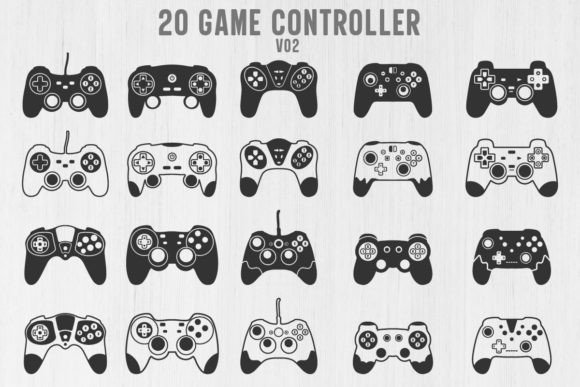
It’s also worth exploring variations of the icon to ensure you’re using the most accurate and up-to-date version. Some designs may reflect older controller models, which could appear outdated or be less recognizable to newer audiences.
Final Thoughts
The Console Joystick Icon (Video Game Contro) is a valuable asset for designers and developers seeking to communicate gaming-related functions clearly and effectively. Its broad recognition, adaptability, and availability in multiple formats make it a practical choice for many applications. However, like any design element, it should be used thoughtfully and in alignment with the overall goals of the project.
Before finalizing its use, take time to evaluate your audience, context, and design needs. If the icon enhances clarity and usability without causing confusion, it’s likely a strong fit. If not, exploring alternative symbols or custom designs may provide a better solution. Ultimately, the goal is to create an intuitive and visually cohesive experience that supports user understanding and engagement.