Retro Game Paddle Controller: A Nostalgic Yet Functional Gaming Accessory
Understanding the Retro Game Paddle Controller
The Retro Game Paddle Controller is a modern reinterpretation of the classic paddle controllers used in early video gaming systems. Designed to replicate the feel and functionality of controllers from the 1970s and 1980s, this device combines vintage aesthetics with contemporary build quality. Typically used with retro gaming consoles, emulators, or modern systems that support classic gameplay, the paddle controller offers a unique input method that differs from standard joysticks or gamepads.
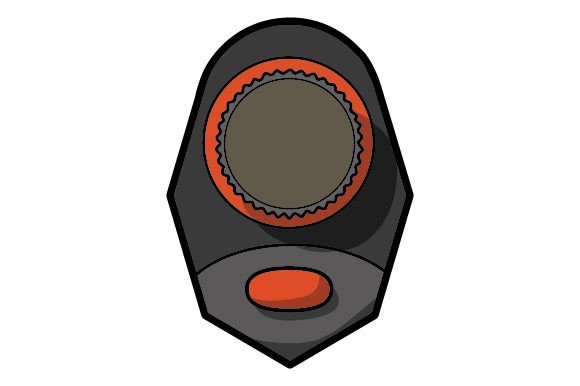
Its primary feature is a smooth-turning knob for precise analog control, often accompanied by a fire button. This design was originally popularized by systems like the Atari 2600 and was essential for games such as Pong and Breakout. Today’s versions maintain that core functionality while offering compatibility with modern hardware and digital game libraries.
Why Consider a Retro Game Paddle Controller?
For many, the appeal lies in nostalgia. Gamers who grew up in the early days of home consoles often find that using a paddle controller rekindles memories of their first gaming experiences. However, interest isn't limited to older players. Younger gamers and collectors are also drawn to these controllers for their unique design and the specific gameplay mechanics they enable.
Another reason is gameplay authenticity. Some classic games were designed specifically for paddle input, and using a modern controller can feel awkward or imprecise by comparison. The paddle controller provides a more accurate and enjoyable experience for titles that rely on smooth, analog movement.
Benefits of Using a Paddle Controller
- Nostalgia Factor: Offers a tactile and visual connection to early gaming history.
- Gameplay Precision: Especially useful in games requiring fine analog control, like Breakout-style paddle movement.
- Unique Aesthetic: Often designed with retro styling, appealing to collectors and display enthusiasts.
- Modern Compatibility: Many versions are built to work with current systems, including PCs, Raspberry Pi setups, and modern consoles via adapters.
Tradeoffs and Limitations
While the Retro Game Paddle Controller has its advantages, it's not a one-size-fits-all solution. Its niche design means it's not suitable for most modern games, which are built around digital inputs like buttons and joysticks. Gamers who primarily play action, RPG, or platforming titles may find the paddle controller limiting.
Additionally, paddle controllers can be more expensive than generic USB controllers due to their specialized nature and smaller production runs. Users should also consider ergonomics—long gaming sessions with a paddle may not be as comfortable as with a standard controller.
When a Paddle Controller Is a Strong Fit
The Retro Game Paddle Controller shines in specific scenarios. It’s ideal for:
- Retro Gaming Enthusiasts: Those who regularly play arcade or console games from the 1970s and 1980s.
- Emulator Setups: Particularly useful for arcade cabinets or home setups that emulate classic paddle-based games.
- Collectors: Gamers who appreciate vintage design and want a functional piece of gaming history.
- Educational Use: Useful in teaching game design or history, where understanding different input methods is valuable.
When Alternatives May Be Better
While the paddle controller offers a unique experience, there are situations where other controllers may be more appropriate. For example:
- Modern Game Libraries: If your gaming habits lean toward current titles, a standard controller or arcade stick may be more versatile.
- Multiplayer Needs: Paddle controllers can be less intuitive for players unfamiliar with their mechanics, making them less ideal for casual multiplayer sessions.
- Budget Constraints: If cost is a concern, investing in a multi-purpose controller may offer better value.
What to Expect from a Modern Paddle Controller
Most Retro Game Paddle Controllers today are built with durability and compatibility in mind. They often feature USB connectivity, high-quality potentiometers for smooth turning, and durable buttons. Some models even allow for customization, such as interchangeable knobs or adjustable tension settings.
However, build quality can vary between manufacturers. It’s important to research brands and read user reviews to ensure the controller will provide the desired performance and longevity.
Practical Considerations for Buyers
Before purchasing a Retro Game Paddle Controller, consider the following factors:
- Compatibility: Check whether the controller works with your system of choice—whether it's a modern console, PC, or retro console.
- Build Quality: Look for durable materials and reputable manufacturers to ensure long-term use.
- Game Support: Verify that the games you plan to play are compatible with paddle input or can be mapped properly.
- Price: Determine whether the cost aligns with how frequently you’ll use the controller and the value it brings to your gaming experience.
Conclusion: Is the Retro Game Paddle Controller Right for You?
The Retro Game Paddle Controller is not for every gamer, but for the right audience, it offers a blend of functionality, nostalgia, and aesthetic appeal. It excels in environments where classic games are played and appreciated in their intended form. If you're a retro gaming enthusiast, collector, or educator, this controller can be a valuable addition to your setup.
However, if your gaming habits are diverse or primarily modern, it may be worth considering a more versatile controller or using the paddle controller as a specialized accessory rather than a primary input device.
In the end, choosing a Retro Game Paddle Controller is about aligning your gaming goals with the unique experience it offers. Whether you're revisiting childhood favorites or exploring vintage games for the first time, it can be a rewarding and immersive way to engage with gaming history.