Retro Game Memory Cartridge: A Creative Goldmine
For creators and hobbyists alike, the retro game memory cartridge represents more than just a relic of 8-bit nostalgia—it's a canvas waiting to be reimagined. Whether you're a designer, marketer, or DIY enthusiast, these cartridges offer a unique blend of history, utility, and aesthetic potential. Their compact size, durable build, and distinctive look make them ideal for a wide range of creative applications beyond their original purpose.
What Makes Retro Game Memory Cartridges Unique?
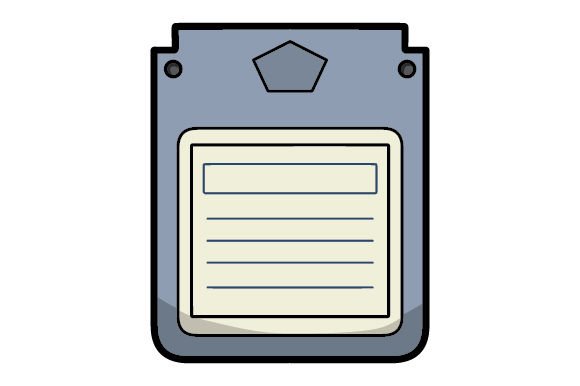
The retro game memory cartridge was once the lifeblood of classic consoles, storing game data without needing a power source. Their rugged plastic shells, gold contacts, and iconic label designs are instantly recognizable. Today, these features make them stand out in creative repurposing projects.
Unlike modern storage solutions, cartridges have a tactile quality that evokes a sense of play and discovery. This makes them especially appealing for physical media projects, custom packaging, or branded merchandise that aims to stand out in a digital world.
Creative Uses for Retro Game Memory Cartridges
Here are a few practical and imaginative ways to give these cartridges new life:
- Custom USB Drives: Hollow out a cartridge and insert a USB module preloaded with digital content, portfolios, or promotional material.
- Business Card Holders: With a little modification, cartridges can store slim business cards or QR code inserts for a nostalgic networking touch.
- Art Displays: Use the cartridge shell as a frame for miniature prints or digital art, especially for pop-up exhibits or collectible art shows.
- Game-Inspired Jewelry: Slice the shell into segments and polish them into pendants, earrings, or keychains.
Designing with Retro Game Memory Cartridges
When working with retro game memory cartridges in visual design, consider how their form and color influence perception. Original cartridges often feature bold colors and pixel-style fonts, making them ideal for branding materials targeting retro or gaming audiences.
Designers can use the cartridge’s dimensions as a guide for creating mockups, packaging, or even digital interfaces that mimic the physical experience of inserting a game. SVG files and transparent PNGs of cartridge designs are particularly useful for overlaying onto mockups or integrating into branding kits.
Adapting Cartridges for Different Audiences
Each audience interacts with creative content differently, and retro game memory cartridges can be adapted accordingly:
- For Educators: Turn cartridges into interactive learning tools by embedding audio files or flashcards inside.
- For Marketers: Use cartridges as part of limited-edition promotional kits, especially for game launches, tech events, or nostalgia-driven campaigns.
- For Bloggers: Showcase DIY projects that feature cartridges as part of a broader theme—like upcycling, retro tech, or minimalist gaming setups.
- For Entrepreneurs: Package digital products inside physical cartridges to add value and uniqueness to offerings like music, courses, or software.
Staying Organized and Consistent
When using retro game memory cartridges in larger creative projects, consistency is key. Whether you're producing a batch of USB cartridges or designing a line of custom packaging, create a template or system that ensures uniformity across each unit.
Use tools like DXF files for laser cutting or 3D modeling to maintain precision in physical builds. For digital design, EPS files allow for scalable vector graphics that retain quality across different formats and print sizes.
Project Ideas Across Platforms
Here’s how different platforms can incorporate retro game memory cartridges effectively:
- Print Media: Use cartridge imagery in magazine layouts or promotional posters for events centered around gaming or tech history.
- Social Media: Share behind-the-scenes content of your cartridge-based projects, especially with time-lapse videos of the build process.
- E-commerce: Offer customizable cartridge kits for customers to personalize with their own data or artwork.
- YouTube: Create tutorials or unboxing-style videos showing how to modify cartridges for creative or practical use.
Maximizing Originality and Audience Appeal
To keep your work with retro game memory cartridges fresh and audience-friendly, focus on solving a real need or sparking curiosity. Avoid generic approaches by asking: How does this project stand out? What story does it tell?
For example, a custom cartridge that plays a short audio story when plugged into a device can be more engaging than a standard USB drive. Or a limited-edition cartridge used as a ticket for a virtual gaming event can create a sense of exclusivity and interactivity.
Final Thoughts: Creativity Meets Practicality
The retro game memory cartridge is more than a throwback—it's a versatile tool for anyone looking to blend creativity with function. Whether you're crafting a unique product, designing a nostalgic marketing piece, or simply exploring the intersection of form and function, these cartridges offer a tangible way to connect with audiences on a deeper level.
By understanding their physical and visual qualities, and applying thoughtful design and strategy, you can turn these small plastic shells into powerful storytelling devices. Let your creativity guide the way, and you might just find a new use for a piece of gaming history.