Web and Game Element, Bundle, UI UX: The Convergence Shaping Digital Experiences
In today's rapidly evolving digital landscape, the integration of Web and Game Element, Bundle, UI UX is redefining how professionals, creators, and entrepreneurs approach user experience design. As the boundaries between web applications and interactive games continue to blur, the demand for seamless, engaging interfaces has never been higher. This article explores how the fusion of these elements is not just a trend but a strategic necessity for businesses aiming to stay ahead in a competitive market.
Understanding Web and Game Element, Bundle, UI UX
The term Web and Game Element, Bundle, UI UX refers to the holistic design and integration of visual, interactive, and functional components used in both web and game development. It encompasses the creation of cohesive design systems, reusable assets, and user-centric interfaces that enhance engagement and usability across platforms.
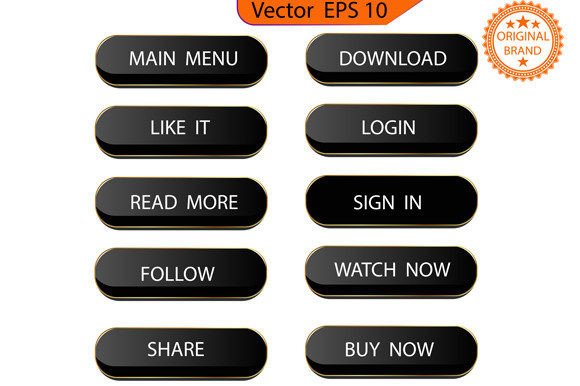
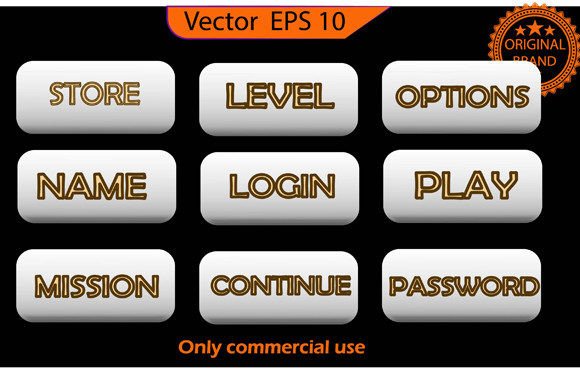
At its core, this concept emphasizes the importance of bundling design elements—such as buttons, animations, icons, and micro-interactions—into comprehensive UI/UX kits that streamline the development process. These bundles not only save time but also ensure consistency across digital products, whether they're web-based applications or interactive games.
Why It Matters in Today's Digital Economy
The rise of Web and Game Element, Bundle, UI UX is closely tied to the growing demand for immersive digital experiences. Consumers today expect more than just functionality—they want interfaces that are intuitive, visually compelling, and emotionally engaging. This shift has prompted businesses to rethink their design strategies and invest in tools that facilitate rapid, high-quality development.
- Efficiency in Development: Pre-designed bundles reduce the time and effort required to build interfaces from scratch.
- Consistency Across Platforms: A unified design language ensures that users receive a consistent experience, whether they're on a mobile app, website, or game interface.
- Enhanced User Engagement: Interactive and visually rich elements increase user retention and satisfaction.
The Industry Shift Toward Integrated Design Systems
The adoption of Web and Game Element, Bundle, UI UX reflects a broader industry movement toward modular and scalable design systems. Companies like Adobe, Figma, and Unity have increasingly emphasized the importance of reusable components and design tokens that can be easily adapted across different projects.
This shift is particularly evident in the gaming and web development sectors, where cross-platform compatibility and rapid iteration are essential. For instance, many game developers are now using web-based tools to prototype and deploy games, leveraging the same UI/UX components they use for web applications. This convergence not only improves workflow efficiency but also enhances the user experience by maintaining a familiar interface across different digital touchpoints.
Practical Applications Across Industries
From e-commerce platforms incorporating gamified elements to SaaS dashboards adopting game-like animations, the influence of Web and Game Element, Bundle, UI UX is far-reaching. Here are a few practical examples:
- Educational Platforms: Online learning systems are integrating game-like progress bars, badges, and interactive quizzes to boost learner engagement.
- Health and Fitness Apps: Gamification techniques such as achievement milestones and animated feedback loops are being used to motivate users and improve retention.
- Enterprise Software: Complex dashboards are adopting simplified UI bundles that mirror the intuitive controls found in mobile and web games, making them more user-friendly for employees.
Changing User Expectations and Design Priorities
As digital experiences become more sophisticated, user expectations have evolved. People no longer tolerate clunky interfaces or inconsistent design patterns. They expect digital products to be responsive, visually appealing, and easy to navigate—qualities that are central to the Web and Game Element, Bundle, UI UX philosophy.
This shift is driven by several factors:
- Mobile-First Mindset: With the majority of users accessing digital content via smartphones, designers must prioritize mobile responsiveness and intuitive gestures.
- Shorter Attention Spans: Users are more likely to abandon poorly designed experiences, making it crucial to capture attention quickly with engaging visuals and interactions.
- Personalization Demands: Modern audiences expect tailored experiences, pushing designers to create adaptable UI bundles that can be customized for different user segments.
How Designers Are Adapting
Designers and developers are increasingly turning to UI/UX bundles that offer flexibility, scalability, and performance. These tools often include pre-built components, animation libraries, and style guides that allow teams to maintain design consistency while iterating quickly.
Moreover, the integration of AI and machine learning into design tools is enabling more intelligent UI/UX workflows. For example, AI-driven design assistants can suggest optimal layouts, color schemes, and interaction patterns based on user behavior data—further enhancing the effectiveness of Web and Game Element, Bundle, UI UX strategies.
Commercial Opportunities and Market Growth
The market for UI/UX design tools and asset bundles is expanding rapidly. According to recent industry reports, the global UI/UX design market is projected to grow significantly over the next five years, driven by increased demand from startups, enterprises, and independent creators.
This growth is fueled by several key trends:
- Rise of Indie Game Development: Independent developers are leveraging pre-built UI/UX bundles to create polished games without large design teams.
- Low-Code and No-Code Platforms: Tools like Webflow, Framer, and Unity are enabling non-designers to build professional-grade interfaces using drag-and-drop UI components.
- Subscription-Based Asset Stores: Platforms offering monthly access to UI/UX bundles are gaining popularity, providing cost-effective solutions for businesses of all sizes.
Case Study: The Success of a Unified UI Strategy
Consider the example of a fintech startup that wanted to launch a mobile app with a sleek, game-like interface. By using a comprehensive Web and Game Element, Bundle, UI UX package, the team was able to rapidly prototype and deploy an app that featured smooth animations, interactive feedback, and a consistent visual language across all screens.
The result? A 40% increase in user retention and a significant improvement in customer satisfaction scores. This case highlights how investing in high-quality UI/UX bundles can yield measurable business outcomes.
The Future of Web and Game Element, Bundle, UI UX
Looking ahead, the integration of Web and Game Element, Bundle, UI UX will continue to shape the future of digital product design. As technologies like augmented reality (AR), virtual reality (VR), and voice interfaces become more mainstream, the need for intuitive, cross-platform UI systems will only grow.
Designers and entrepreneurs who embrace this trend early will be better positioned to deliver compelling experiences that resonate with modern audiences. Whether you're a freelancer building a portfolio, a startup launching a new app, or an enterprise reimagining your digital strategy, investing in cohesive UI/UX design is no longer optional—it's essential.
Final Thoughts
The convergence of web and game design elements into unified UI/UX bundles represents more than just a technical convenience. It's a reflection of how digital experiences are evolving to meet the needs of a more engaged, tech-savvy audience. By adopting a strategic approach to Web and Game Element, Bundle, UI UX, professionals can unlock new levels of creativity, efficiency, and user satisfaction—setting the stage for long-term success in an increasingly competitive digital world.