Strategic Uses of Baby Toy Game for Creative and Business Applications
For professionals across creative and business fields, the Baby Toy Game digital design asset offers a unique opportunity to enhance visual projects with thematic, child-friendly imagery. This collection of five digital files—AI, EPS, SVG, JPG, and PNG—delivered at a 1920px x 1280px canvas size, provides flexibility and scalability for a wide range of applications. Understanding how to use Baby Toy Game intentionally can significantly impact the effectiveness of branding, educational materials, marketing campaigns, and more.
Understanding the Baby Toy Game Design
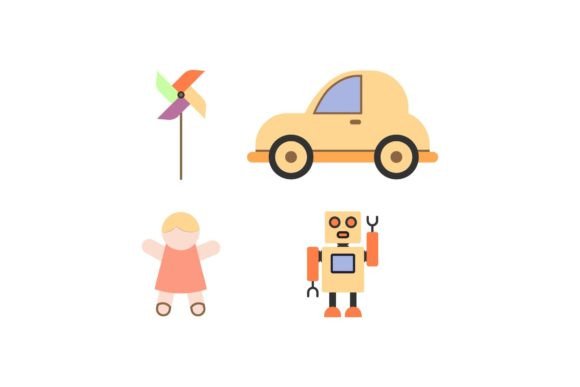
The Baby Toy Game design is a curated visual representation of playful, developmental toys commonly associated with early childhood. It’s designed with high resolution and adaptability in mind, making it ideal for both print and digital environments. The inclusion of vector and raster formats allows for seamless editing, whether you're working in Adobe Illustrator or a basic image editor.
Professionals in graphic design, marketing, education, and product development may find this asset especially useful when targeting audiences related to infant and toddler development, toy manufacturing, or educational content creation. The key is to align the use of Baby Toy Game with specific strategic goals rather than treating it as a generic visual element.
How Baby Toy Game Supports Strategic Goals
When integrated thoughtfully, Baby Toy Game can support several strategic objectives:
- Brand Positioning: For companies in the baby product or educational toy space, using Baby Toy Game in visual materials reinforces brand identity and relevance.
- Content Marketing: Bloggers and educators can incorporate the design into infographics, guides, or social media posts to enhance engagement with parents and caregivers.
- Product Packaging: Toy manufacturers or small businesses launching baby-related products can use the design to create appealing packaging or promotional materials.
- Educational Tools: Teachers and curriculum designers may find value in using Baby Toy Game visuals to illustrate developmental milestones or activity guides.
Planning for Effective Use
Before incorporating Baby Toy Game into your project, consider the following planning steps:
- Define the Purpose: Ask yourself why you're using this design. Is it for visual appeal, brand alignment, or functional communication? Clarity in purpose ensures intentional use.
- Understand the Audience: The design is most effective when targeting parents, educators, or consumers of baby-related products. Align the context with your audience’s expectations.
- Match the Tone: Ensure that the playful nature of Baby Toy Game aligns with the tone of your message. It may not be suitable for formal or technical contexts without careful adaptation.
- Consider Format Compatibility: Use the AI or EPS file for scalable illustrations in print, and the PNG or JPG for web use where transparency or high quality is needed.
Use Cases and Practical Examples
Here are a few real-world applications where Baby Toy Game can deliver strategic value:
- Marketing Campaigns: A toy brand launching a new line of baby development kits can use the design across digital ads, landing pages, and email newsletters to create a cohesive visual narrative.
- Educational Websites: A children’s learning platform can integrate Baby Toy Game graphics into interactive lessons or downloadable activity sheets to support early learning themes.
- Print-on-Demand Products: Independent creators selling baby apparel, wall art, or mobiles can use the design to create themed merchandise that appeals to new parents.
- Blog and Social Media Content: Parenting bloggers can enhance their visual storytelling by embedding Baby Toy Game elements into posts about developmental milestones or toy reviews.
Strategic Considerations Before Implementation
While Baby Toy Game provides creative flexibility, it's important to approach its use with strategic clarity. Avoid the temptation to include it simply because it's available. Instead, evaluate how well it aligns with your brand, message, and audience expectations.
Consider the following questions before implementation:
- Does the design reinforce the intended message or distract from it?
- Is the visual tone appropriate for the context in which it will be used?
- Have you ensured that the design scales well across different platforms and devices?
- Have you tested the design in mockups or prototypes before full deployment?
Long-Term Value and Brand Consistency
For brands or creators focused on long-term growth, Baby Toy Game can be part of a broader visual strategy. When used consistently across marketing materials, packaging, and digital assets, it contributes to brand recognition and trust. However, this requires thoughtful integration rather than random application.
Consider building a design system or visual brand guide that outlines when and how to use Baby Toy Game. This ensures that all team members or collaborators apply it in a way that supports your strategic objectives and maintains visual harmony.
Potential Risks of Misuse
Using Baby Toy Game without a clear strategic intent can lead to unintended consequences:
- Brand Dilution: Overuse or inconsistent application may weaken your brand identity rather than strengthen it.
- Miscommunication: If the design doesn’t align with your message, it can confuse your audience or send mixed signals.
- Low Engagement: Randomly inserting Baby Toy Game into content without purpose may fail to resonate with your target audience.
- Copyright or Licensing Concerns: Always verify that you are using the design within the terms of its license, especially when repurposing for commercial use.
Conclusion: Using Baby Toy Game with Intention
The Baby Toy Game digital design asset is more than just a visual element—it's a tool that, when used strategically, can enhance your creative and business initiatives. Whether you're a marketer building a campaign, an educator designing learning materials, or a small business owner creating branded products, the key lies in intentional application.
By aligning Baby Toy Game with your goals, planning its use carefully, and considering long-term brand impact, you can ensure that it contributes meaningfully to your projects. Avoid treating it as a default design choice. Instead, let it serve a clear purpose that supports your message, audience, and strategic outcomes.