Overcoming the Fear of Striking Out: Embracing Life's Opportunities
Understanding the Metaphor of Striking Out
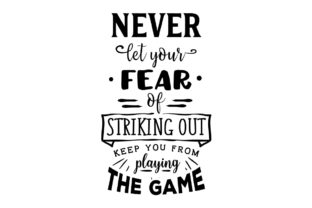
The phrase "Never Let Your Fear of Striking Out Keep You from Playing the Game" is more than a motivational quote—it's a mindset that encourages individuals to face uncertainty with courage. Originally attributed to baseball legend Babe Ruth, this expression has transcended sports and become a guiding principle in personal development, entrepreneurship, and creative pursuits.
In life, striking out can represent failure, rejection, or missed opportunities. However, just as in baseball, striking out is an inevitable part of the game. The key is not to avoid the plate but to step up, swing with confidence, and learn from each attempt.
Why Fear of Failure Holds People Back
Fear of failure is one of the most common psychological barriers preventing people from pursuing their goals. Whether it's launching a new business, sharing a creative idea, or applying for a dream job, the fear of not succeeding can be paralyzing.
This fear often stems from:
- Self-doubt: Believing that you aren’t capable or prepared enough.
- External judgment: Worrying about how others will perceive your failure.
- Perfectionism: The belief that anything less than perfect isn’t worth trying.
These internal narratives can create a cycle of inaction. The more you avoid trying, the more the fear grows. But as the saying reminds us, never stepping up to the plate means never getting the chance to hit a home run.
Embracing Risk as a Path to Growth
Success rarely comes without risk. In fact, many of the world’s most successful people have experienced significant setbacks before achieving their goals. The difference lies in their willingness to continue playing the game despite the possibility of failure.
Consider the following examples:
- Entrepreneurs: Many startups fail within the first few years, yet successful entrepreneurs often credit early failures as valuable learning experiences.
- Creative professionals: Writers, artists, and musicians frequently face rejection before finding an audience. Their persistence allows them to refine their craft and eventually succeed.
- Students and educators: Taking academic risks—such as choosing challenging courses or experimenting with new teaching methods—can lead to deeper understanding and innovation.
Each of these scenarios illustrates how embracing risk can lead to personal and professional growth. The fear of striking out is natural, but it should never be the deciding factor in whether to try.
How to Shift Your Mindset About Failure
Changing how you view failure is essential to overcoming the fear that holds you back. Here are some strategies to help shift your mindset:
- Reframe failure as feedback: Every unsuccessful attempt provides valuable information. Instead of seeing failure as a dead end, treat it as a learning opportunity.
- Set process-oriented goals: Focus on the actions you can control rather than the outcome. This reduces the pressure of perfection and emphasizes consistent effort.
- Practice self-compassion: Treat yourself with kindness when things don’t go as planned. Just as you would encourage a friend after a setback, do the same for yourself.
- Visualize success: Mentally rehearsing success can build confidence and reduce anxiety about trying something new.
By adopting these strategies, you can begin to see failure not as a threat, but as a necessary part of progress.
Real-World Applications Across Different Fields
The principle of "Never Let Your Fear of Striking Out Keep You from Playing the Game" applies to a wide range of life areas. Let’s explore how it plays out in various contexts:
Business and Entrepreneurship
Starting a business requires courage. Entrepreneurs must make decisions with incomplete information, invest time and money into uncertain ventures, and handle rejection from investors or customers.
Those who succeed often do so not because they avoided failure, but because they kept going through it. Each failed product, marketing campaign, or pitch serves as a data point for improvement.
Education and Learning
In education, students often avoid difficult subjects or challenging assignments due to fear of poor performance. However, embracing difficult material leads to deeper understanding and long-term success.
Teachers can foster this mindset by encouraging experimentation, rewarding effort, and normalizing mistakes as part of the learning process.
Creative Industries
Writers, musicians, and artists frequently face rejection. Submitting work to publishers, galleries, or contests can be intimidating, especially after previous rejections.
Yet, the most successful creatives are those who persist. They understand that the path to recognition is paved with many "no’s" before the "yes" arrives.
Personal Development and Relationships
On a personal level, the fear of striking out can manifest in relationships, public speaking, or pursuing hobbies. Whether it’s asking someone out, giving a presentation, or trying a new skill, the fear of embarrassment can be overwhelming.
However, each attempt builds resilience and confidence. Over time, what once felt terrifying becomes manageable—and even enjoyable.
Strategies to Take Action Despite Fear
Knowing that fear is natural is one thing. Learning how to act in spite of it is another. Here are some actionable steps to help you move forward:
- Start small: Break your goal into manageable steps. Small wins build momentum and reduce the intimidation factor.
- Surround yourself with support: Engage with mentors, peers, or communities that encourage risk-taking and learning from failure.
- Track your progress: Keep a journal or log of your attempts and outcomes. Seeing progress over time can be incredibly motivating.
- Accept imperfection: Done is better than perfect. Completing a task—even if it’s not flawless—allows you to gather feedback and improve.
These strategies can help you build a habit of action, making it easier to face future challenges with confidence.
The Long-Term Benefits of Playing the Game
When you choose to play the game despite the fear of striking out, you open the door to countless opportunities. Even if you don’t succeed immediately, the experience you gain and the relationships you build along the way are invaluable.
Some long-term benefits include:
- Increased resilience: Facing challenges builds mental toughness and adaptability.
- Expanded skill set: Trying new things leads to learning and growth, even if the outcome isn't ideal.
- Greater confidence: Each attempt, successful or not, reinforces your belief in your ability to handle adversity.
- More opportunities: Being visible and active increases your chances of being noticed by others who can help you grow.
Ultimately, the alternative—playing it safe and avoiding risks—often leads to regret. It’s better to look back and say, “I tried,” than to wonder, “What if I had?”
Conclusion: Keep Showing Up to the Plate
"Never Let Your Fear of Striking Out Keep You from Playing the Game" is a powerful reminder that life is about participation, not perfection. Whether you're pursuing a career, a passion, or personal growth, the act of trying is what truly matters.
So the next time you feel the fear creeping in, take a deep breath, step up to the plate, and swing with everything you’ve got. After all, the only way to hit a home run is to take the risk of striking out.