Game Controllers Cut Files: A Technical and Creative Guide for Digital Fabrication
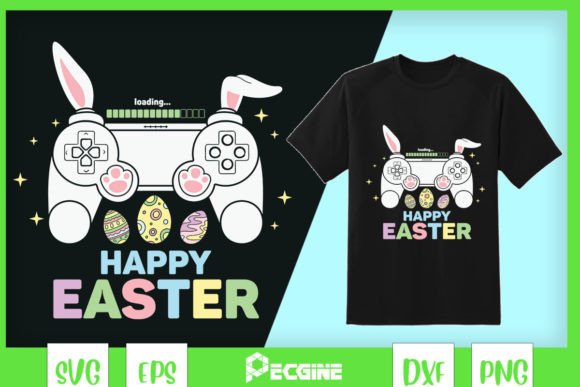
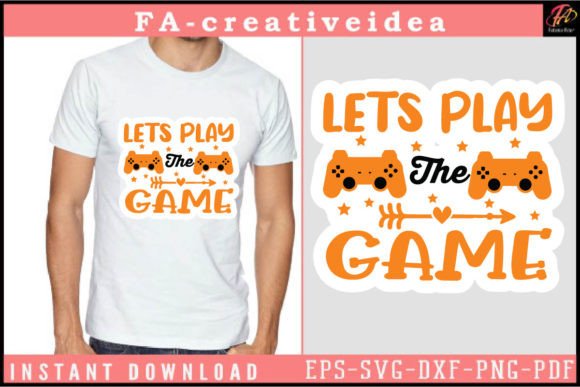
The intersection of retro gaming nostalgia and modern digital fabrication has created a robust demand for specialized vector graphics. Among the most versatile assets in this niche are Game Controllers Cut Files, which serve as the foundational blueprint for electronic cutting machines. These digital assets are not merely static images; they are mathematically precise path data that instructs hardware like Cricut, Silhouette, and Brother ScanNCut to execute physical cuts with micron-level accuracy. Understanding the technical composition and practical application of these files is essential for professionals, educators, and hobbyists aiming to produce high-quality merchandise, decor, and educational materials.
Anatomy of Multi-Format Vector Bundles
A comprehensive digital asset package is defined by its interoperability across different software ecosystems and hardware platforms. When acquiring cut files for electronic cutting machines, users typically encounter a bundle containing multiple formats. Each format serves a distinct function within the design-to-production workflow, ensuring that the asset remains usable regardless of the user's specific toolchain.
SVG: The Industry Standard for Cutting
Scalable Vector Graphics (SVG) represent the primary format for electronic cutting machines. Unlike raster images composed of pixels, SVGs utilize XML-based code to define lines, curves, and shapes. This mathematical foundation allows the file to be resized infinitely without degradation, a critical feature when adapting a game controller design from a small laptop sticker to a large wall decal. For cutting software such as Cricut Design Space or Silhouette Studio, the SVG format preserves layer separation, enabling users to manipulate individual elements of the controller—such as buttons, joysticks, and triggers—independently. This layered architecture is vital for multi-color vinyl projects where registration marks and color blocking must align perfectly during the weeding and transfer process.
DXF and EPS for Professional Workflows
While SVG dominates the consumer crafting market, DXF (Drawing Exchange Format) and EPS (Encapsulated PostScript) cater to professional and industrial applications. DXF files are universally compatible with CAD software and older versions of cutting machine software that may lack native SVG support. They provide a raw geometric representation ideal for laser cutting or CNC routing where precise dimensional accuracy is paramount. Conversely, EPS files are the standard in professional graphic design environments like Adobe Illustrator and CorelDRAW. Designers utilizing Game Controllers Cut Files for commercial print production or large-format signage rely on EPS to maintain vector fidelity while integrating the design into complex branding layouts.
Raster Formats for Print and Visualization
The inclusion of PNG, JPEG, and PDF formats addresses needs outside of direct cutting. High-resolution PNG files with transparent backgrounds are indispensable for Print-then-Cut workflows, sublimation printing, and digital mockups. They allow creators to visualize how a game controller design will appear on a t-shirt or pillow before committing physical materials. JPEGs serve as lightweight reference thumbnails, while PDFs offer a universal viewing format for clients or students who need to approve a design without possessing specialized vector software. In comprehensive bundles, a dedicated HELP JPEG often acts as a visual index, providing quick navigation through folders and clarifying which file corresponds to which design variation, thereby streamlining asset management.
Material Science and Application Versatility
The utility of Game Controllers Cut Files extends far beyond simple paper crafts. The precision of modern cut files enables fabrication across a diverse spectrum of substrates, each requiring specific considerations regarding blade depth, pressure, and material preparation.
Vinyl Adhesives and Heat Transfer Media
For apparel and textile applications, Heat Transfer Vinyl (HTV) is the predominant medium. When using controller designs on t-shirts, bags, or pillows, the vector paths must account for the physical properties of the vinyl. Intricate details, such as the texture on an analog stick or small text on a button face, may require simplification to prevent lifting during the heat press stage. Professional fabricators often modify the cut files to add slight overlaps or bridges in areas where the vinyl might otherwise separate. Adhesive vinyl applications for water bottles, car decals, and electronics skins demand even higher precision, as the material cannot be repositioned once applied. The clean nodes found in high-quality cut files ensure smooth edges that resist peeling over time.
Paper Goods and Stationery
In the realm of postcards, greeting cards, and scrapbooking, Game Controllers Cut Files facilitate intricate cardstock layering. The ability to separate the design into distinct color layers allows for 3D shadow box effects and pop-up mechanisms. Educators and researchers in media studies often utilize these paper-based applications to create tactile teaching aids or historical displays documenting the evolution of gaming interfaces. The PDF and PNG formats included in download packages are particularly useful here for printing background patterns or instructional text that complements the cut cardstock elements.
Hard Surface Customization
Beyond flexible media, these digital assets drive customization of rigid surfaces. Acrylic blanks, wooden plaques, and metal tumblers can all be personalized using stencil vinyl or adhesive films derived from controller vectors. For stencil applications, the cut file must be evaluated for "islands"—internal parts of letters or shapes that could fall out during cutting. Well-engineered Game Controllers Cut Files include built-in bridges or tabs to maintain structural integrity during the weeding process, ensuring that the final stencil produces crisp paint lines or etching cream boundaries.
Optimizing Workflow and Asset Management
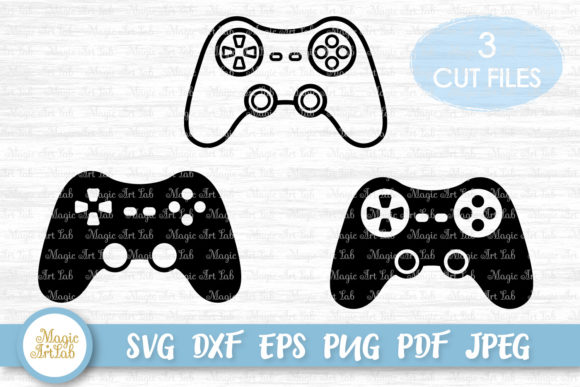
Efficiency in digital fabrication relies heavily on organized asset management and optimized machine settings. Downloading a bundle with 3 SVG, 3 DXF, 3 PNG, 3 EPS, 3 PDF, and 3 JPEG files provides flexibility but also necessitates a structured approach to file handling.
Navigating Complex Bundles
The presence of a HELP JPEG image for quick navigation is a significant usability feature often overlooked. In professional studios or classroom settings where time is limited, this visual guide reduces cognitive load by instantly identifying design variations and their corresponding filenames. Establishing a consistent folder hierarchy based on project type rather than file format can further streamline workflow. For example, grouping all formats related to a specific "Retro Console" design together ensures that whether a user needs the SVG for cutting or the PNG for a mockup, all relevant assets are co-located.
Machine Calibration and Testing
Even the most perfect Game Controllers Cut Files require validation against specific hardware configurations. Blade wear, mat stickiness, and humidity levels can all affect cut quality. Professionals recommend performing test cuts on scrap material whenever switching between design complexities. A controller design with bold, simple outlines may cut successfully at standard settings, while a detailed version featuring textured grips or ornate button patterns may require reduced speed and increased passes. Understanding the relationship between vector node density and machine performance allows users to troubleshoot issues proactively rather than reactively.
Educational and Research Applications
The relevance of gaming-themed cut files extends into academic and developmental contexts. Educators teaching STEM concepts use these files to demonstrate coordinate geometry, vector mathematics, and digital manufacturing principles. Students can analyze how a curved joystick shape is represented through Bézier curves or calculate the area of material needed for a production run. In therapeutic settings, occupational therapists utilize vinyl decorating projects involving familiar gaming iconography to improve fine motor skills and hand-eye coordination in patients. The cultural ubiquity of game controllers makes them effective engagement tools across diverse age groups and cognitive abilities.
Researchers studying material culture and design history also benefit from accessible vector archives. Having accurate digital representations of controller layouts from different eras enables comparative analysis of ergonomic evolution and interface design trends. These cut files serve as primary source documentation, preserving the exact proportions and spatial relationships of hardware that may no longer be physically available. The availability of multiple formats ensures that these resources remain accessible as software standards evolve, protecting the long-term viability of research collections.
Commercial Considerations and Licensing Awareness
For business owners and entrepreneurs, Game Controllers Cut Files represent both opportunity and responsibility. While the technical aspects of cutting and printing are straightforward, commercial usage requires careful attention to intellectual property rights. Generic controller silhouettes and original artistic interpretations are generally safe for commercial merchandise, but designs that replicate trademarked logos or specific proprietary console aesthetics may carry legal restrictions. Responsible creators verify licensing terms before incorporating downloaded assets into products for sale. Additionally, maintaining records of file sources and license agreements protects businesses during audits or platform reviews on e-commerce sites.
The economic value of these digital assets lies in their reusability and adaptability. A single well-crafted vector file can generate revenue streams across multiple product categories—from custom apparel and drinkware to party supplies and home decor. By mastering the technical nuances of different file formats and understanding the material requirements of various applications, creators can maximize return on investment while delivering professional-quality results that meet customer expectations. The combination of technical proficiency and creative vision transforms simple digital downloads into tangible products that resonate with gaming enthusiasts across generations.