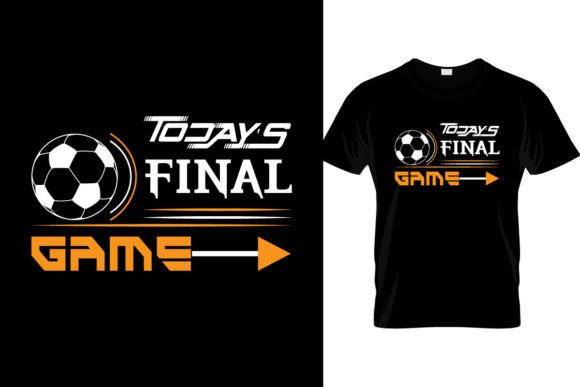
Evaluating the Today s Final Game Typography T Shirt Design for Print-on-Demand and Custom Apparel
Selecting the right graphic asset for apparel production requires balancing aesthetic appeal with technical versatility. The Today s Final Game Typography T Shirt design represents a specific category of vector-based merchandise graphics that prioritize editability and high-resolution output over static imagery. For designers, shop owners, and hobbyists in the 20–50 demographic, understanding the practical utility of this file package is essential before integrating it into a product line. This resource is not merely a visual style; it is a functional toolkit comprising PDF, EPS, SVG, JPEG, and PNG files at 4500×5400 pixels and 300 DPI. Evaluating this design involves comparing its vector architecture against raster alternatives, assessing its suitability for various substrates beyond t-shirts, and determining when a pre-made typography asset offers a better return on investment than commissioning custom work.
Vector Architecture Versus Raster Limitations in Apparel Design
The primary distinction of the Today s Final Game Typography T Shirt lies in its composition. Unlike standard raster graphics composed of fixed pixels, this design utilizes 100% vector shapes. This technical difference dictates the longevity and scalability of the final printed product. When comparing this format to typical marketplace downloads or AI-generated raster images, the vector foundation eliminates the risk of pixelation during resizing. A 4500×5400 pixel canvas at 300 DPI provides a massive safety margin for direct-to-garment (DTG) printing, but the included EPS and SVG files allow for infinite scaling without quality loss.
For users evaluating production methods, this versatility addresses specific tradeoffs. Screen printing requires color separation, which is significantly more efficient with vector paths than with flattened JPEGs. Conversely, sublimation or DTG workflows may utilize the high-resolution PNG. While many typography designs are sold as flattened 300 DPI images suitable only for small prints, the fully editable nature of this asset allows for adaptation to larger formats like hoodies or posters without degradation. However, this flexibility comes with a learning curve. Users must possess compatible software such as Adobe Illustrator, CorelDRAW, or Inkscape to leverage the EPS and SVG files effectively. Those relying solely on basic photo editors may find themselves limited to the provided PNG, negating the primary advantage of purchasing a vector bundle.
Editability and Color Management Tradeoffs
A significant decision factor for print-on-demand sellers is the ability to adapt a design to different garment colors. The Today s Final Game Typography T Shirt is marketed as easy to recolor, a feature that directly impacts inventory efficiency. In comparison to complex illustrative designs with blended shading or gradients, pure typography assets generally offer superior color management. Changing a solid black text layer to white for a dark hoodie takes seconds in vector software, whereas adjusting a rasterized vintage texture often requires tedious masking and re-shading.
However, buyers should realistically assess their editing capabilities. "Fully editable" implies access to nodes, layers, and font outlines. If the original fonts are not installed on your system, you may be limited to manipulating existing shapes rather than retyping text. This is a common limitation across all vector typography marketplaces. While the design allows for color changes, structural modifications depend entirely on whether the text has been outlined. Outlined text preserves the visual integrity regardless of installed fonts but prevents spelling corrections or wording changes. Buyers must weigh the convenience of instant recoloring against the potential inability to alter the phrase itself, comparing this ready-made solution against hiring a designer for bespoke text adjustments.
Substrate Versatility: Beyond Standard Cotton Tees
While categorized as a t-shirt design, the technical specifications of the Today s Final Game Typography T Shirt suggest broader application. The 300 DPI resolution and vector format make it viable for diverse merchandise categories, each with unique constraints. When planning a product lineup, consider how this single asset compares to niche-specific designs.
- Mugs and Drinkware: Curved surfaces require distortion-free graphics. Vector SVGs can be warped or adjusted to fit mug templates without the jagged edges associated with resized bitmaps.
- Tote Bags and Canvas: These items often have coarse textures. High-contrast typography typically reproduces better on canvas than detailed photography. The bold shapes in this design are optimized for such porous materials.
- Posters and Card Making: The 4500×5400 dimensions support large-format printing up to approximately 15x18 inches at native resolution. For larger posters, the vector files ensure crisp edges at billboard sizes, unlike raster alternatives that would require upscaling algorithms.
- Hoodies and Sweaters: Thicker fabrics absorb ink differently. Simple, bold typography often yields higher perceived quality on fleece compared to intricate illustrations that may lose detail in the fabric weave.
Comparatively, purchasing separate assets for each product type increases overhead. A unified vector asset reduces cost per SKU but requires the user to manually adjust sizing and placement for each medium. The tradeoff is time versus money: this design saves upfront licensing fees but demands active layout adjustment, whereas product-specific mockups might be faster to deploy but less flexible long-term.
File Format Utility and Workflow Integration
The inclusion of five distinct file types serves different stages of the production workflow. Understanding when to use each format prevents production errors. The Today s Final Game Typography T Shirt package follows industry standards, yet users often misapply these formats.
- EPS/AI: Best for professional screen printers and extensive editing. Retains all path data and color information.
- SVG: Ideal for web display, Cricut/Silhouette cutting machines, and lightweight vector editing. Smaller file size than EPS but sometimes lacks advanced gradient support.
- PNG: The standard for DTG and sublimation. Includes transparency. Use this when no editing is required.
- JPEG: Generally least useful for apparel due to lack of transparency. Suitable only for previewing or non-print digital contexts.
- PDF: Useful for proofing and sharing with clients who lack design software. Maintains vector quality for review purposes.
When comparing this bundle to free online resources, the organized compression into a single ZIP file with standardized naming conventions reduces asset management friction. Free alternatives often come with missing layers, low resolutions, or incompatible versions. The 300 DPI benchmark ensures commercial viability, whereas many free vectors are optimized for web (72 DPI) and fail in print production. The requirement to extract files using 7-Zip or WinRAR is a minor logistical step, but it ensures file integrity during transfer, preventing the corruption issues common with uncompressed email attachments.
Decision Factors: Pre-Made Assets Versus Custom Commissions
Determining whether the Today s Final Game Typography T Shirt is the correct choice depends on project scope, budget, and exclusivity requirements. This asset occupies a middle ground between generic clip art and bespoke design services.
Choose this pre-made vector asset when:
- Speed is critical: You need to launch a seasonal collection within days, not weeks.
- Budget is constrained: Licensing a pre-made design costs a fraction of a custom typographer’s hourly rate.
- Testing new niches: You want to validate market interest in "final game" aesthetics before investing in exclusive artwork.
- You possess editing skills: You can maximize value by modifying colors and layouts yourself.
Consider custom design services instead when:
- Brand exclusivity is paramount: Pre-made assets are typically non-exclusive. Other stores may sell identical shirts.
- Specific messaging is required: If the exact phrase needs alteration and the vector text is outlined, custom work is necessary.
- Complex integration is needed: Combining this typography with existing brand mascots or proprietary logos may require a designer to ensure stylistic cohesion.
- Trademark concerns exist: Always verify that phrases like "Today's Final Game" do not infringe on active trademarks in your target marketplace. Custom designers typically conduct preliminary clearance checks.
The mention of custom design availability alongside this product indicates a hybrid service model. This benefits buyers who may start with the affordable pre-made option and later upgrade to custom work as revenue grows. It also suggests the creator understands the limitations of stock assets and offers a pathway for scaling. When evaluating this against anonymous marketplaces, the presence of a direct service provider adds a layer of accountability and potential support that automated platforms lack.
Technical Due Diligence Before Purchase
Before finalizing any typography asset acquisition, perform practical verification. Ensure your software supports EPS 10 or newer, as legacy versions may have compatibility gaps. Verify that 4500×5400 pixels aligns with your largest intended print area; while substantial, oversized back prints on XL hoodies may approach this limit. Confirm your extraction tools are updated to handle ZIP archives without corruption. Finally, review the license terms regarding commercial use, modification rights, and resale restrictions. The Today s Final Game Typography T Shirt offers robust technical specifications, but successful implementation depends on matching those specs to your specific production environment and business goals. By objectively weighing vector benefits against editing requirements and comparing pre-made convenience against custom exclusivity, buyers can make informed decisions that support sustainable apparel businesses rather than impulsive acquisitions.