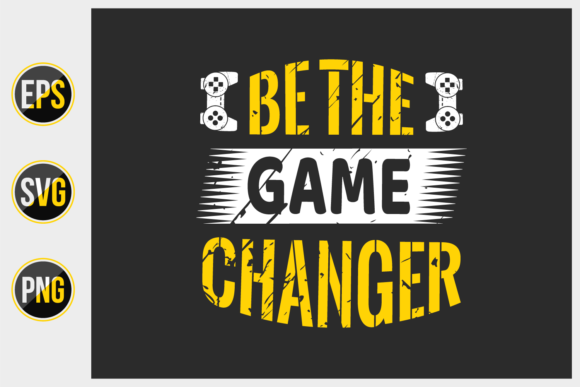
Be the Game Changer - Saying Design: Strategic Expression for Impactful Branding
Visual communication is more than aesthetics—it's a strategic lever. Be the Game Changer - Saying Design taps into this power by transforming a bold mindset into a visual statement. Whether applied to a gaming t-shirt, a typographic poster, or a vector graphic, this design concept serves as both a personal declaration and a brand signal. At its core, it's not just about looking good—it's about standing for something meaningful and positioning yourself or your brand as a force of change.
Understanding the Strategic Value of Be the Game Changer - Saying Design
Designs that carry a message like “Be the Game Changer” aren't just trendy slogans. They reflect a mindset—one that aligns with innovation, leadership, and proactive change. When integrated thoughtfully into visual assets like apparel or promotional materials, they help communicate identity and intent without the need for lengthy explanation.
For entrepreneurs and creators, this kind of design can serve as a visual anchor in personal branding. It signals confidence, vision, and action. When used in marketing or product design, it positions the brand as forward-thinking and results-oriented. The key is to ensure that the design doesn't stand alone as decoration but supports a broader narrative and strategic positioning.
When and How to Apply Be the Game Changer - Saying Design
This design works best when there's a clear alignment between the visual message and the intended audience or brand values. For instance, a startup founder launching a new product might use a typographic version of Be the Game Changer - Saying Design in a presentation deck or social media campaign to reinforce the brand's disruptive edge.
- Gaming t-shirts featuring this design can resonate with creators and influencers who want to embody innovation in their niche.
- Vector graphics can be adapted for digital marketing materials, reinforcing a bold brand tone across platforms.
- Print posters with this message can serve as motivational tools in workspaces or as part of event branding.
The application should be intentional. Consider the context: is this design reinforcing a message you're already communicating? Does it align with the tone and expectations of your audience? If not, it may come across as forced or inauthentic.
Planning Tips for Effective Use
- Define the purpose: Are you using this design to inspire, to position your brand, or to connect with a specific community? Clarity of intent ensures the design serves a function beyond aesthetics.
- Match the medium: A t-shirt design should be visually simple and legible at a glance, while a poster can afford more typographic complexity. Choose the format that best supports your message and environment.
- Align with brand voice: If your brand speaks in a formal tone, a bold, stylized design might clash. Ensure consistency in messaging across all brand touchpoints.
Avoiding the Pitfalls of Random Design Choices
Many brands and individuals fall into the trap of using strong visual statements like Be the Game Changer - Saying Design without considering the broader implications. When the design doesn’t align with the actual brand behavior or messaging, it can create dissonance. Audiences are quick to detect inconsistency, and this can erode trust.
For example, if a company uses the design in its marketing but lacks innovation in its product development, the message rings hollow. Similarly, a creator who uses the phrase on a t-shirt but doesn’t demonstrate leadership or originality in their work may appear inauthentic.
Before adopting this design, ask: Does it reflect who you are or who you’re becoming? Is it a statement of current reality or aspirational positioning? The answer will determine how it's received and whether it adds strategic value or becomes a liability.
Integrating Into Long-Term Brand Strategy
Designs like Be the Game Changer - Saying Design can be part of a larger visual and verbal identity system. When used consistently across platforms—be it in physical merchandise, digital content, or customer communications—they reinforce brand clarity and purpose.
Consider how this design fits into your visual storytelling. Can it be paired with other visual elements to build a cohesive brand language? Can it evolve with your brand as it grows? Thoughtful integration ensures that the design doesn’t become a one-off but instead contributes to long-term brand equity.
For example, a tech startup might use a minimalist vector version of the design in its product packaging, while a creative studio might incorporate it into a motivational wall poster in their office space. Each use reinforces the brand’s positioning, but in a way that’s appropriate to the environment and audience.
Strategic Observations for Decision-Makers
Leaders and creators should treat visual design as a strategic asset, not just a cosmetic layer. The use of Be the Game Changer - Saying Design should be evaluated through the same lens as any other brand decision—based on relevance, audience alignment, and long-term value.
Ask yourself:
- Does this design support our brand’s mission and values?
- Will it resonate with our target audience or risk alienating them?
- Is this a short-term trend or a long-term expression of who we are?
By answering these questions, you ensure that the design isn't just visually appealing but also strategically sound. It becomes a tool for reinforcing identity, driving engagement, and building credibility over time.
Final Thoughts: Design with Purpose
In a world saturated with visual content, the most effective designs are those that serve a clear purpose. Be the Game Changer - Saying Design is more than a catchy phrase—it’s a mindset made visual. When used intentionally, it becomes a powerful tool for positioning, communication, and brand differentiation.
Whether you're launching a product, building a personal brand, or creating merchandise that reflects your values, this design can be a meaningful addition to your strategy. But like any strategic tool, its effectiveness depends on how well it's aligned with your goals, audience, and overall brand narrative.
So, before printing that t-shirt or finalizing that poster, take a step back. Ask not just “Does this look good?” but “Does this say what I mean to say?” If the answer is yes, then you're not just wearing or displaying a design—you're embodying a game-changing mindset.