4 Stage Game Concept Infographic Design
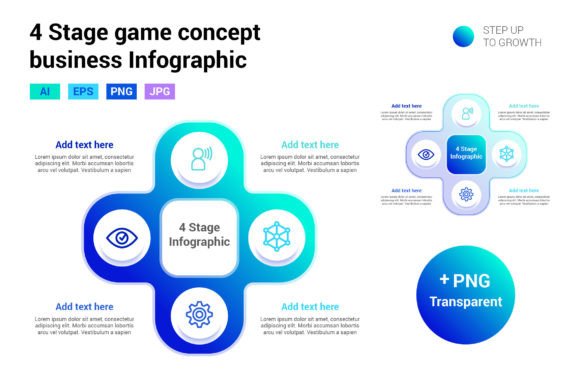
Transforming complex gameplay mechanics into a clear visual narrative is one of the most effective ways to capture audience attention, and a well-structured 4 Stage Game Concept Infographic serves as the perfect bridge between abstract ideas and tangible understanding. For graphic designers and marketers working in the gaming or tech sectors, having access to professional-grade templates streamlines the creative workflow while ensuring high visual standards. This specific resource provides a comprehensive foundation for presenting progression systems, level designs, or strategic roadmaps without starting from scratch.
Technical Specifications and Creative Assets
When evaluating design resources for professional projects, file versatility and resolution are paramount. This package is engineered to support diverse media requirements, from large-format print design to digital interfaces. The inclusion of multiple formats ensures compatibility across various software environments and output needs:
- Vector Source Files: Includes 2 AI files and 2 EPS files, allowing for infinite scalability without quality loss.
- High-Resolution Rasters: 2 PNG files at 5000x5000 px with transparent backgrounds, ideal for layering over custom textures or UI elements.
- Preview Assets: 2 JPG preview images at 5000x5000 px for quick client approvals or mood boarding.
- Documentation: A Read Me file to guide users through font installation and layer organization.
The clean, text-free, and icon-free transparent PNGs are particularly valuable for modern aesthetics. They allow designers to maintain their own brand identity and typography choices rather than being forced to adapt to pre-existing styles that may clash with established visual systems.
Customization for Brand Identity and Visual Hierarchy
A successful infographic relies heavily on strong visual hierarchy and consistent branding. Because this template features fully editable text and easily changeable colors, it integrates seamlessly into existing brand guidelines. Designers can adjust the color palette to match corporate identities or specific game genres, ensuring the visual communication feels cohesive rather than generic. The use of free fonts further reduces licensing friction, making it a practical choice for commercial creative projects.
In UX design and web design contexts, clarity is king. The four-stage structure naturally guides the viewer’s eye through a logical sequence, which is essential for explaining tutorials, monetization tiers, or narrative arcs. By maintaining 100% resizability, the asset remains crisp whether it is displayed as a small mobile app icon or a full-width hero image on a landing page.
Practical Applications Across Media
Versatile creative assets like this extend far beyond simple presentations. Understanding where and how to deploy these visuals can significantly enhance user engagement and information retention across multiple touchpoints:
- Digital Marketing and Social Media: Break down complex game updates or features into digestible carousel posts using the high-res PNGs.
- Pitch Decks and Investor Relations: Use the vector files to create polished, scalable slides that demonstrate product roadmaps professionally.
- Editorial and Blog Content: Enhance articles about game development or strategy guides with custom-colored variations of the infographic.
- Merchandise and Packaging: Leverage the 5000px resolution for print materials like box art inserts, posters, or convention banners.
- UI/UX Prototyping: Import the transparent assets directly into Figma or Adobe XD to visualize onboarding flows or achievement systems.
Best Practices for Implementation
To maximize the impact of this design asset, focus on readability and negative space. While the template is robust, overcrowding it with excessive copy can undermine its effectiveness. Use concise headlines and bullet points to maintain a clean layout. When adjusting colors, ensure sufficient contrast ratios to meet accessibility standards, especially for text overlaid on colored stages. Additionally, consider the emotional tone of your color choices; vibrant neons might suit a cyberpunk game concept, while muted earth tones would better serve a historical strategy title.
Ultimately, investing time in selecting and customizing high-quality design elements pays dividends in both efficiency and aesthetic appeal. A thoughtfully executed 4 Stage Game Concept Infographic does more than just display data; it enhances the overall user experience by making information accessible and visually engaging. By leveraging professional assets that prioritize editability and resolution, designers can elevate their creative output, strengthen brand communication, and deliver polished results that resonate with target audiences across every platform.